
Portion control starts with noticing how much you serve and how much you eat. It can make a meal plan easier to repeat, but a smaller plateful is not automatically a better meal. Keep enough food for your needs and use the comparisons below to understand amounts, not to find the smallest possible portion.
Same food, different portion
Doubling dry oats doubles that ingredient’s estimated nutrients. It does not double the whole breakfast if the yogurt and fruit stay the same.
Original schematic illustrations, not photographs or a guide to judging grams by eye. Values use USDA record 173904; oats are weighed dry, before adding water.
Serving size and portion size answer different questions
A portion is the amount you actually eat. A serving size is the reference amount used on a food label. The FDA explains that a label serving reflects typical consumption, not a recommended amount for you. Check the grams and servings per container before comparing two foods.
For example, if your own cereal label lists 150 calories per 40 g and you eat 60 g, the calculation is 60 ÷ 40 × 150 = 225 calories. That is a hypothetical label example, not a claim about every cereal. Milk, toppings and anything left in the bowl need separate consideration.
Hands, cups and a food scale: choose the useful reference
Hands help with description. A palm-sized piece of chicken or a cupped handful of rice can remind you what a meal looked like. Hands differ, and thickness matters: do not turn “one palm” into a universal gram value. When you use the same plate at home, a familiar serving can be a practical visual reference.
Cups and spoons help with repeatability. Use an actual measuring cup when following a recipe, and notice whether the recipe means a level or heaped spoon. A cup of loose spinach and a cup of cooked rice do not weigh the same. Mark whether rice, pasta or oats were measured before or after cooking.
A scale helps answer a specific question. Weigh an ingredient when a recipe, label calculation or clinical plan needs that information. Tare the container first. You do not have to weigh every meal indefinitely; learning what a usual serving looks like may be enough for your routine. If measurement becomes stressful, choose a simpler approach with professional support.
Five real-world meal situations
These four assemblies show exactly what changes when one ingredient’s portion changes. All amounts are edible weights; the food state is specified. The two versions are comparisons, not “good” and “bad” meals.
| Meal | What changes | First portion | Second portion |
|---|---|---|---|
| Breakfast | Dry oats 40 g → 80 g; yogurt 200 g and banana 120 g unchanged | 376 kcal · 26.9 g protein · 61.7 g carbs · 3.8 g fat | 528 kcal · 32.2 g protein · 88.8 g carbs · 6.4 g fat |
| Lunch | Cooked brown rice 150 g → 250 g; chicken 120 g, broccoli 150 g and olive oil 10 g unchanged | 523 kcal · 44.9 g protein · 49.1 g carbs · 16.4 g fat | 646 kcal · 47.6 g protein · 74.7 g carbs · 17.3 g fat |
| Dinner | Baked potato 200 g → 300 g; cooked salmon 140 g, raw spinach 60 g and olive oil 10 g unchanged | 577 kcal · 37.7 g protein · 44.5 g carbs · 27.8 g fat | 670 kcal · 40.2 g protein · 65.6 g carbs · 27.9 g fat |
| Snack | Almonds 15 g → 30 g; edible apple 180 g unchanged | 180 kcal · 3.6 g protein · 28.1 g carbs · 7.8 g fat | 267 kcal · 6.8 g protein · 31.3 g carbs · 15.3 g fat |
Restaurant meal: ask how the dish is served, keep sauces visible when practical, and decide how much you want before eating from a large shared container. If you eat half of a uniformly mixed dish with published nutrition for the whole dish, half is a reasonable starting estimate. A pizza with uneven toppings or a bowl where you leave most of the rice needs a more specific description. We cannot assign an exact calorie number to an unknown restaurant recipe.
Use hunger, satisfaction, preferences and the plan appropriate for you to decide whether to serve more. For more complete assemblies, use the seven-day macro meal plan rather than treating a single food as the whole meal.
Record an uncertain meal with a photo and known details
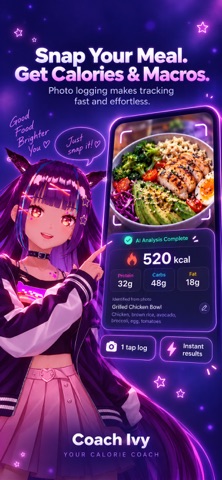
- Take a clear photo before eating so the main foods are visible.
- Compare the identified meal with what you ordered or prepared. Include drinks and toppings in your record.
- Use a known package amount, recipe share or measured serving when you have it. Keep an unknown quantity as an estimate.
- Account for leftovers. The meal served and the meal eaten may differ.
Coach Ivy’s current listing documents photo logging and calorie and macro estimates. It does not describe the exact portion-adjustment controls, so this guide does not promise a particular edit button. Use the correction options actually present in your version.
For detailed recording steps, read how to count calories without weighing food. For choosing a diary, compare AI calorie tracking apps.
A portion checklist you can reuse
Common mistakes that make portion control harder
Changing several ingredients at once makes it difficult to learn which change suited you. Start with one practical choice, such as serving a snack into a bowl instead of eating from the bag. Avoid compensating for a larger dinner by skipping the next day’s meals. A workable pattern needs flexibility for social meals and changing appetite.
Portion awareness can support a weight-management plan by making amounts more visible; it cannot guarantee weight loss. Energy needs, activity, medicines and health conditions vary. If you need individual targets, discuss them with a registered dietitian or clinician. If logging increases anxiety or food restriction, pause the tool and seek support.