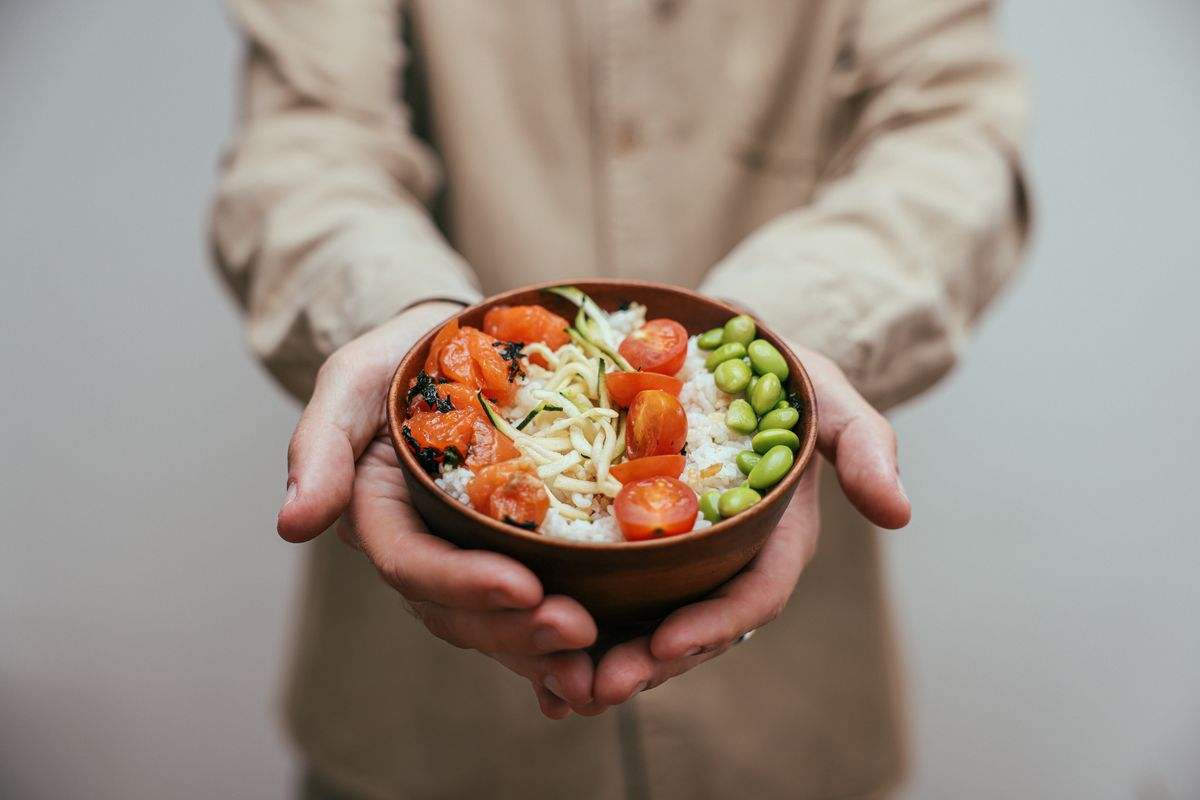
Korean food gets labeled “healthy” and “high calorie” at the same time because both can be true. The core meal structure is often vegetable-heavy and satisfying. The easiest calories to overspend are oil, extra rice, sugary sauces, and fatty cuts of meat.
In this article
What makes a Korean meal lower calorie
Usually it comes down to four things: broth over frying, tofu or leaner protein over fatty cuts, plenty of vegetables, and being intentional with rice and oil. That is why many stews, soups, and banchan-style meals work so well when you want food that feels complete without getting numerically heavy.
12 low-calorie Korean recipe ideas
| Dish idea | Approx. calories | Why it works |
|---|---|---|
| Doenjang jjigae | 150 to 250 | Brothy, savory, filling, and vegetable-rich |
| Sundubu jjigae | 200 to 300 | Soft tofu adds protein with moderate calories |
| Kongnamul muchim | 40 to 80 | Bean sprouts are light and high-volume |
| Oi muchim / cucumber salad | 30 to 70 | Crunchy, spicy, low-calorie side |
| Kimchi egg drop soup | 90 to 150 | Fast comfort food without much added fat |
| Tofu + kimchi plate | 250 to 350 | Great protein-to-calorie ratio |
| Chicken radish soup | 180 to 280 | Light broth with real staying power |
| Gyeran-jjim with veggies | 120 to 200 | Steamed eggs feel richer than the numbers |
| Mushroom lettuce wraps | 150 to 250 | High volume, low oil, lots of texture |
| Lighter bibimbap | 400 to 500 | Use less rice, more veg, leaner protein |
| Kimchi tofu fried “rice” with cauliflower | 250 to 380 | Keeps the feel while trimming the base |
| Seaweed soup with lean beef | 120 to 220 | Simple, soothing, and portion-friendly |
Sundubu jjigae
If you want one dish to start with, make it soft tofu stew. It feels like real food, not “diet food,” and the tofu gives you a lot of satisfaction for the calorie budget.
Lighter bibimbap
Bibimbap becomes much easier to fit when you treat rice and sauce as seasonings, not the whole bowl. For a full breakdown, see our bibimbap nutrition guide.
How to build your own lighter Korean bowl
- Start with vegetables first, not rice first.
- Pick one protein anchor: tofu, eggs, chicken, or lean beef.
- Use a modest rice base or half-and-half cauliflower rice if you like that route.
- Keep the flavor with kimchi, garlic, gochugaru, scallions, and a measured amount of sauce.
- Add oil intentionally, because that is where totals jump fastest.
If your goal is ordering out rather than cooking, our Korean BBQ calorie guide and tteokbokki nutrition guide can help with the harder restaurant calls.
How Coach Ivy helps with Korean meals
Home-cooked Korean food is often a mix of mains, rice, and little sides. That is great for eating and not so great for manual logging. Coach Ivy helps you estimate the meal from a photo or short description, so you do not have to enter six side dishes one by one.
Frequently asked questions
What is the lowest-calorie Korean food to make at home?
Brothy soups, tofu stews, cucumber salads, and vegetable banchan are usually among the easiest lower-calorie options because they are high in volume and lower in added fat.
Can Korean food be good for weight loss?
Yes. Many Korean meals naturally feature vegetables, soups, fermented sides, and protein. The main things to watch are rice portions, oil, sugary sauces, and fatty meats.
Is bibimbap good for a low-calorie meal?
It can be. Bibimbap works well when you keep the rice moderate, pile on vegetables, choose a leaner protein, and go lighter on sesame oil and gochujang.

Cook the food. Let Ivy help with the math.
Coach Ivy is especially good for mixed bowls, soups, and side-dish meals that are annoying to log by hand.
Download Coach Ivy Free